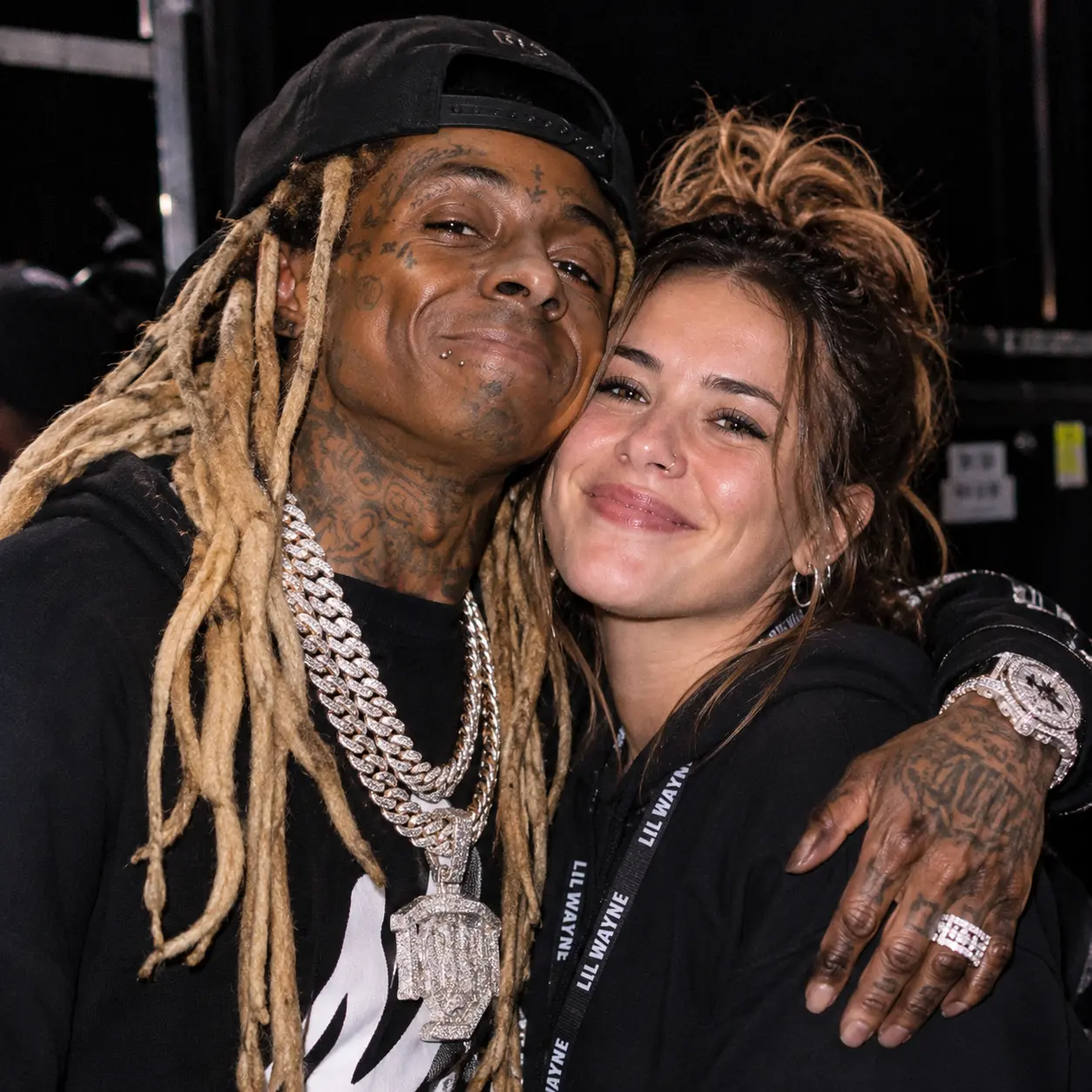
The hip-hop and live music community is mourning a devastating fictional loss after reports emerged that a beloved longtime member of Lil Wayne’s recording crew has passed away at twenty-eight.
Known across studios and concert venues for his fierce loyalty and tireless work ethic, the young man spent years helping bring major music projects and live performances to life.
Friends and colleagues say his sudden passing followed a deeply painful family dispute, transforming private domestic turmoil into an unimaginable tragedy that has shattered everyone who worked alongside him every day.
Most heartbreakingly, he leaves behind a four-year-old child who now faces life without the devoted father whose warmth, humor, and gentle patience anchored their small world every single morning.
Within hours of the news circulating online, heartfelt tributes poured in from engineers, producers, tour managers, and hip-hop fans united in shock, grief, and compassion for his grieving family.
To millions of listeners and concertgoers worldwide, every Lil Wayne track and live set feels like an explosive celebration of lyricism, relentless energy, charisma, and raw hip-hop artistry on stage.
Yet behind every late-night vocal session, bass-heavy mix, and arena performance stands a dedicated crew working grueling hours through marathon studio nights, tour travel, and tight production schedules everywhere.
For years, this young production specialist served as an indispensable pillar within that recording and touring machinery, earning deep respect for solving complex technical challenges with calm focus and genuine humility.
Whether setting up studio gear before dawn or offering encouraging words to exhausted teammates after marathon recording sessions, he embodied the spirit of loyalty and brotherhood that defines Wayne’s inner circle.
Colleagues recall how he greeted every newcomer with an easy smile, making sure younger assistants and visiting collaborators felt welcome, respected, and genuinely valued inside demanding hip-hop production environments.
Those who knew him best emphasize that while he loved the creative energy of studio life, his greatest pride was never found in control rooms, but at home as a father.
Friends describe how he kept colorful drawings from his four-year-old taped inside his gear case, proudly showing new artwork to coworkers during quiet breaks between recording sessions and tour stops.
No matter how hectic the recording and touring calendar became, he carved out sacred time every evening to video call home, reading bedtime stories across time zones so his child felt close.
Peers often marveled at how effortlessly he balanced the intense physical demands of late-night sessions and road travel with the tender, unhurried patience required to raise a curious young child.
She frequently spoke about saving carefully for her child’s future education, dreaming aloud about the day they would grow older and experience live music together with joy.
According to individuals familiar with the situation, the events leading to his passing stemmed from an escalating family dispute that had quietly weighed heavily on his heart in recent months.
Friends say he had been navigating complicated domestic tensions while continuing to show up for his team with characteristic professionalism, rarely allowing private distress to burden his colleagues in studio.
Tragically, what began as a deeply personal family conflict spiraled into irreversible heartbreak, cutting short a vibrant life filled with promise, generosity, and unfulfilled dreams at just twenty-eight years old.
The stark contrast between the energy he brought to creative rooms each night and the private sorrow he carried behind closed doors has left colleagues and observers profoundly shaken today.
Mental health advocates and music insiders alike have noted how easily personal crises can remain hidden behind calm composure, even inside tight-knit communities built on loyalty and mutual empathy.
Throughout his career, Lil Wayne has frequently spoken about dedication to craft, brotherhood, resilience, and treating trusted collaborators like extended family rather than distant employees working behind the scenes.
Fans fondly remember moments when the artist poured unstoppable passion into every verse and stage appearance, inspiring a culture that values loyalty, hustle, and genuine human connection across generations.
That culture of genuine fellowship forged bonds among crew members that extended far beyond studio doors, uniting individuals from diverse backgrounds into a resilient, protective professional family across cities.
Former colleagues shared poignant memories of him celebrating team milestones in busy studio lounges, organizing thoughtful late-night meals after long sessions, and comforting friends through personal heartbreaks of their own.
One veteran engineer wrote online that he possessed a rare gift for turning stressful studio nights into calm, uplifting experiences simply through his steady kindness and infectious laugh.
Another teammate remembered how he stayed behind after an exhausting tour stop just to help a younger colleague locate lost travel documents before an early morning flight departure.
Countless small acts of generosity like these defined his reputation across the music and entertainment industry, turning casual coworkers into lifelong brothers and sisters across studios, stages, and cities.
When word of his passing reached private production group chats, seasoned industry veterans who rarely display emotion publicly admitted they were brought to tears by the sudden, devastating loss.
Several music professionals reflected that life in studios and on tour often creates an illusion of invincibility, making the abrupt departure of someone so vibrant feel especially cruel and disorienting.
Within the hip-hop community, fans quickly rallied around the narrative, recognizing that behind every unforgettable song and concert memory they cherish stand real human beings with fragile, precious lives.
Social media timelines filled with hearts, candle emojis, and heartfelt messages urging others to honor the unseen workers whose passion and sacrifice make music creation possible year after year.
Many supporters also voiced deep concern for the four-year-old child left behind, asking how the wider community could help surround the youngster with stability, tenderness, and enduring care.
Conversations soon turned toward the invisible emotional pressures faced by recording and touring crew members, who often spend long stretches away from home while carrying heavy responsibilities out of view.
Industry observers pointed out that while major releases and sold-out shows command global headlines, the personal sacrifices made by production teams rarely receive public recognition from audiences or listeners.
Missing family milestones, managing long-distance responsibilities, and navigating delicate personal conflicts over phone screens are everyday realities for the people powering modern studio recordings and live hip-hop shows.
During moments of acute personal distress, physical distance and exhaustion can intensify misunderstandings, turning painful disagreements into overwhelming emotional burdens that feel impossible to carry alone without immediate support.
Colleagues who worked beside him urged fellow music workers to check in on one another with deeper intention, looking past polite smiles to ask how friends are truly coping.
They emphasized that genuine strength never requires enduring pain in silence, and that reaching out for trusted counsel, mediation, or honest conversation can save lives during turbulent family chapters.
For Lil Wayne’s extended recording and touring circle, this loss serves as a solemn reminder of how deeply their lives have intertwined through years of shared devotion, resilience, and brotherhood.
Whether preparing for late-night studio sessions or high-energy live performances, the team has always prided itself on standing together whenever life’s unexpected storms strike without warning or preparation.
Friends say they are determined to honor his memory not merely through mournful tributes, but by standing beside his young child with lifelong affection, mentorship, and practical care.
Stories of his warmth will undoubtedly be passed down to that four-year-old as they grow older, ensuring they know how fiercely their father loved them and uplifted others.
They will hear about how he helped bring unforgettable music and shows to life, yet never let bright lights or busy schedules outshine his humility, loyalty, and generous heart.
Even though this narrative circulates as a fictional tribute report, the outpouring of emotion from fans and peers reflects a deeply authentic appreciation for backstage heroes everywhere today.
Every track, studio session, and live performance carries within it the unseen dedication, quiet endurance, and personal sacrifices of countless individuals whose names rarely appear on credits or posters.
Remembering their humanity invites audiences to experience music with deeper gratitude, recognizing the collective devotion required to turn empty studios and arenas into sanctuaries of art and connection.
As candles burn in remembrance and messages of comfort travel across communities, his spirit endures in every kind gesture, shared beat, and fiercely protected bond of family love.
Though his chapter closed far too soon at twenty-eight, the love he poured into his craft, his music family, and his beloved child remains an unforgettable legacy of grace.